
1. Determine the Amount
- Start Small: Add the pigment gradually and mix thoroughly before adding more.
- Pigment-to-Gypsum Ratio: Most pigments are concentrated, so you’ll need to add them in small amounts, typically up to 3% of the gypsum powder weight.
2. Mixing:
- Dry Mix: Mix the pigment with the gypsum powder thoroughly in a dry state before adding water.
- Gradual Addition: If you’re using liquid pigments, add them gradually to the gypsum powder and mix well
3. Considerations:
- Type of Gypsum: Different types of gypsum (plaster, stone, etc.) may require slightly different mixing ratios and pigment amounts.
- Desired Shade: You can adjust the amount of pigment to achieve different shades, from light to dark.
- Compatibility: Make sure the pigment is compatible with gypsum, as some pigments may not work well with certain materials.
Staining of moulds
Staining is usually caused by the type of pigment used (water-based, oil-based, or highly concentrated dyes) and whether the pigment migrates into the porous surface of the silicone. Gypsum grade (fine cast, alpha, beta, etc.) affects smoothness, strength, and setting time, but not pigment transfer.
Why Staining Happens
- Pigment Composition
- Water-based pigments are less likely to stain silicone because they wash out easily.
- Oil-based or alcohol-based pigments can seep into silicone pores and leave residue.
- Silicone Quality
- High-quality platinum-cure silicone moulds are more resistant to staining.
- Lower-grade or older moulds may absorb pigment more readily.
- Mixing Ratio
- Overloading gypsum with pigment increases the chance of pigment bleeding into the mould.
- Balanced ratios (powder-to-water and pigment-to-mix) reduce staining.
Practical Tips for Preventing Stains
- Seal the mould: Apply a thin release agent (e.g., petroleum jelly spray or commercial mould release) to create a barrier.
- Test pigments: Always test a small batch before committing to a full pour.
- Clean promptly: Wash silicone moulds immediately after demoulding to prevent pigment setting.
- Use high-quality pigments: Craft pigments designed for gypsum/resin are less likely to stain compared to generic inks or fabric dyes.
Bottom line: The pigment type and concentration are the main culprits for staining, not the grade of gypsum powder. If you’re using water-based craft pigments with fine cast gypsum in a platinum-cure silicone mould, staining risk is minimal.
Oxide Pigments in Gypsum Casting
- Nature of Oxides
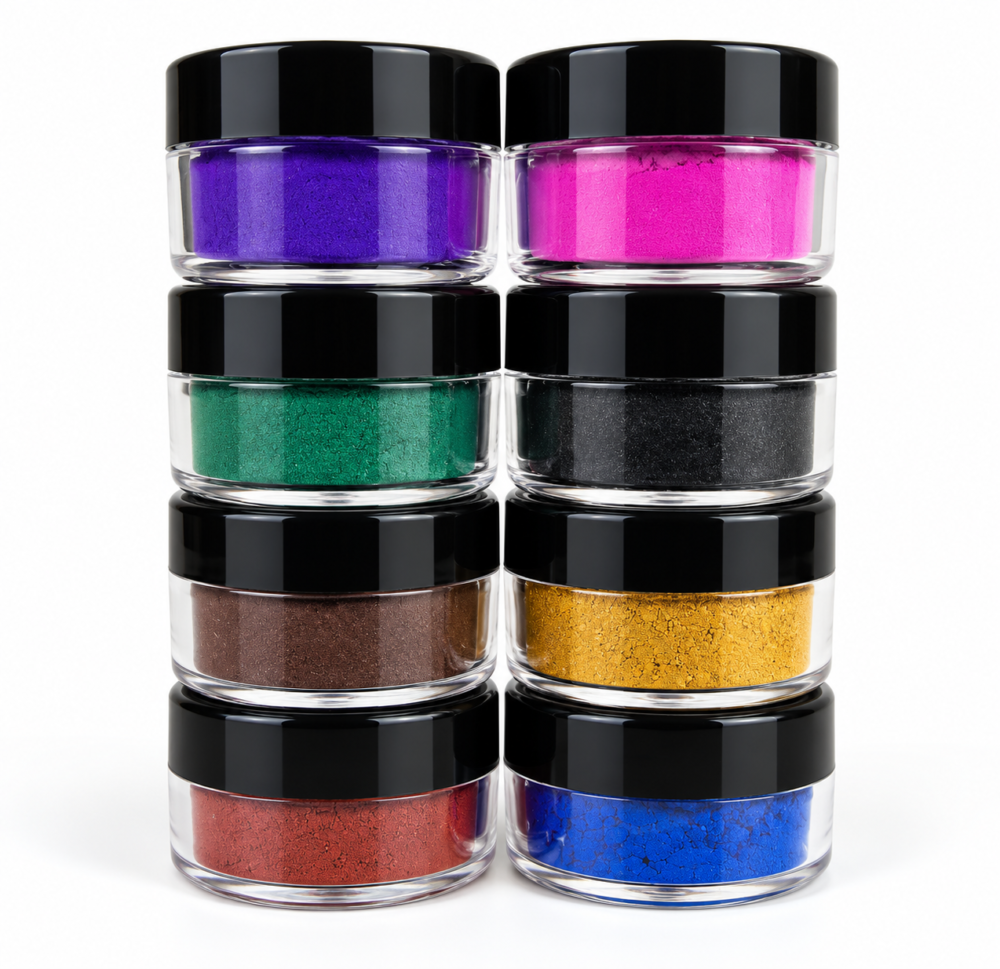
- Oxide powders (like iron oxide, titanium dioxide, chromium oxide) are inorganic mineral pigments.
- They are highly stable, UV-resistant, and don’t dissolve in water—they remain as fine particles suspended in the gypsum mix.
- Interaction with Silicone Moulds
- Because oxides are particulate, they don’t “bleed” into silicone the way liquid dyes or alcohol inks do.
- However, if used in high concentration or if the mould surface is slightly textured/porous, fine oxide particles can lodge into microscopic pores and leave a faint residue.
- Dark oxides (e.g., red iron oxide, black iron oxide) are more likely to leave visible traces than lighter ones (like titanium dioxide).
- Cleaning & Release Agents
- A good mould release spray or barrier coat prevents oxide particles from sticking.
- Washing the mould immediately after demoulding usually removes any residue.
- Platinum-cure silicones are more resistant to staining than tin-cure silicones.