
DOWNLOAD FILL TECHNCIAL SHEET
Instructions for Use
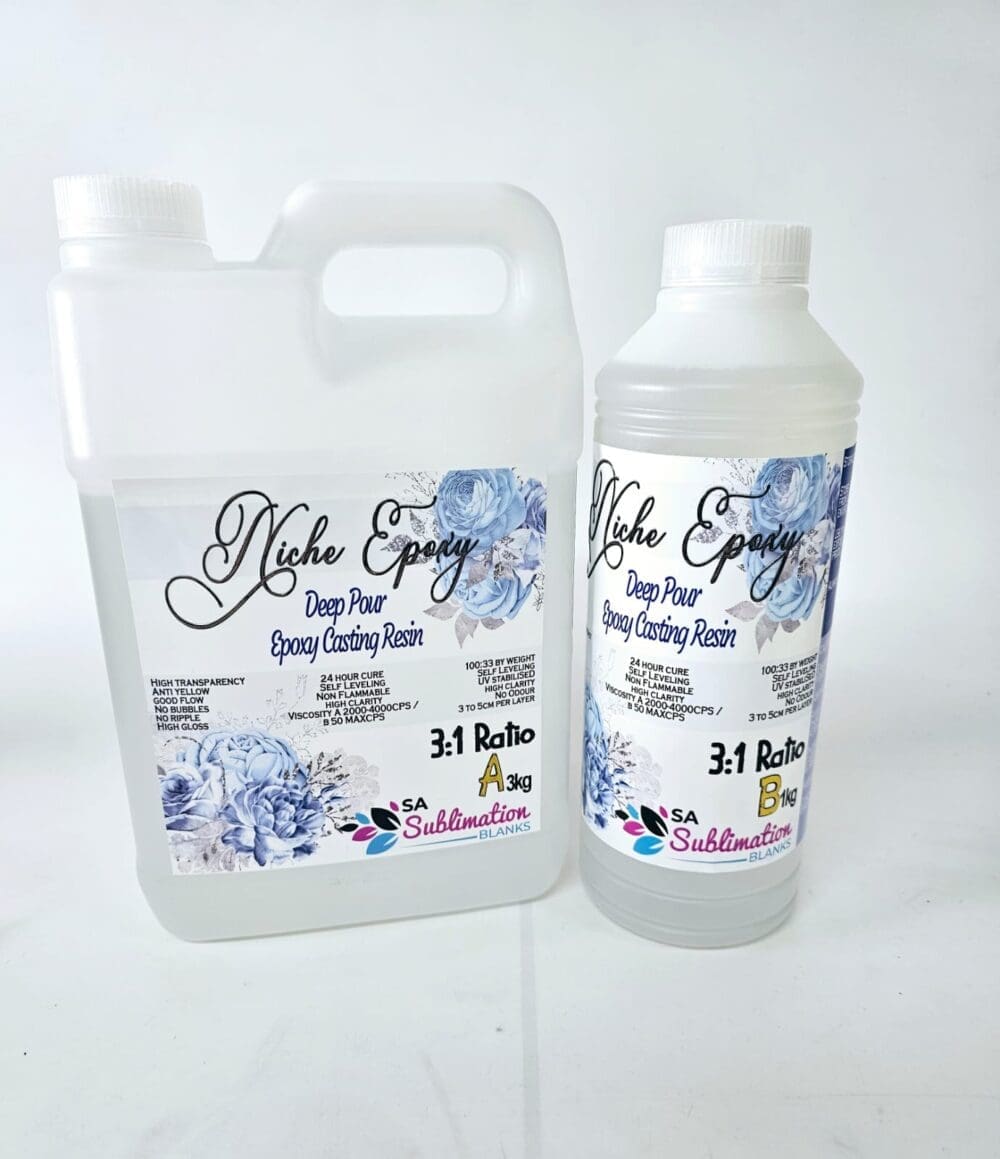
- Measure components A and B according to the specified weight ratio, and pour them into a clean, prepared container. Mix thoroughly along the container wall in a clockwise direction. Allow the mixture to sit for 3 to 5 minutes before use.
- Mix only the amount of glue needed based on the usable time and required dosage to prevent waste. If the temperature is below 15°C, preheat component A to 30°C before combining it with component B (as component A thickens in low temperatures). Always reseal containers immediately after use to avoid quality degradation caused by moisture absorption.
- At relative humidity levels exceeding 85%, the cured mixture may absorb moisture from the air, leading to the formation of a white mist on the surface. In such conditions, room-temperature curing is not recommended. Opt for heat curing instead.
- Curing: Allow the resin to cure as per the manufacturer’s instructions. Avoid disturbing the mould during this time.
- Demoulding: Once fully cured, gently remove the resin piece from the mould.
Caution
- Ensure the operating environment is well ventilated & far from any fire sources.
- Use mask, gloves & protective gear for epoxy use.
- Avoid contact with eyes. If contact occurs, rinse thoroughly with plenty of water & seek medical attention immediately.
- In case of skin contact, wrap the area with a clean cloth or paper, then wash with water & soap.
- Keep out of reach of children & animals.
- Conduct a trial application to prevent any usage errors.
Storage and Shelf Life
- Store at 25°C or in a cool, dry place. Keep away from direct sunlight, high temperatures & humid environments.
- Use immediately after opening. Avoid prolonged exposure to air after opening, as this may affect product quality.
- Always seal tightly after use.
Why your epoxy hardener changed colour but is still runny
1. Oxidation (most common cause)
Epoxy hardeners are usually amine‑based, and amines react with oxygen over time.
Once the bottle is opened, air gets in and the hardener can turn:
- yellow
- amber
- orange
- light brown
This is a normal chemical aging process, not a failure. [ksresin.com], [artresin.com]
Oxidation does NOT stop the hardener from curing.
2. Light and heat exposure
UV light and warm storage (garages, sheds, near windows) speed up oxidation and colour change, even if the container is sealed. [ksresin.com], [artistryepoxy.com]
3. Shelf life vs usability
Typical epoxy hardener shelf life:
- Unopened: ~12 months
- Opened: ~3–6 months for best clarity
However, many hardeners still cure properly well past this, especially if they’re still liquid and mix normally. [artworksresin.ca], [artresin.com]
Can you still use it?
YES — if ALL of the following are true:
- It is still liquid/runny (not gelled or crystallized)
- No chunks, crystals, or sludge
- No strong sour or rotten smell
- It mixes evenly with Part A
- A small test batch cures hard within normal time
Sources confirm that yellowed or darkened hardener usually still cures correctly when mixed at the correct ratio. [intoresin.com], [artresin.com]
When you should NOT use it
Do not use the hardener if:
- It has thickened to syrup/gel
- There are solid particles
- It stays soft or tacky after curing
- The smell is very sharp, ammonia‑like, or rotten
Those are signs of chemical breakdown or moisture contamination. [engineerfix.com]
What to expect if you do use it
- Once mixed with resin, the yellow colour is usually greatly diluted
- Final cured epoxy often looks clear or nearly clear
- Yellowing may show slightly in:
- thick pours
- white or very light projects
Manufacturers recommend using yellowed hardener for coloured, wood, or darker projects if clarity is critical. [artworksresin.ca], [artresin.com]
Best practice before committing a project
Do a small test mix:
- Mix the correct ratio
- Let it cure fully
- Check hardness after the normal cure time
If it cures hard → ✅ safe to use
If it stays soft → ❌ discard
This is widely recommended by epoxy manufacturers and technical sources. [pdf.benchchem.com]
How to prevent it next time
- Store in a cool, dark place
- Keep lids tightly sealed
- Don’t open unless you’re ready to use
- Avoid sunlight completely
Bottom line
Off‑colour + still runny = usually OK to use, as long as it cures properly in a test mix.