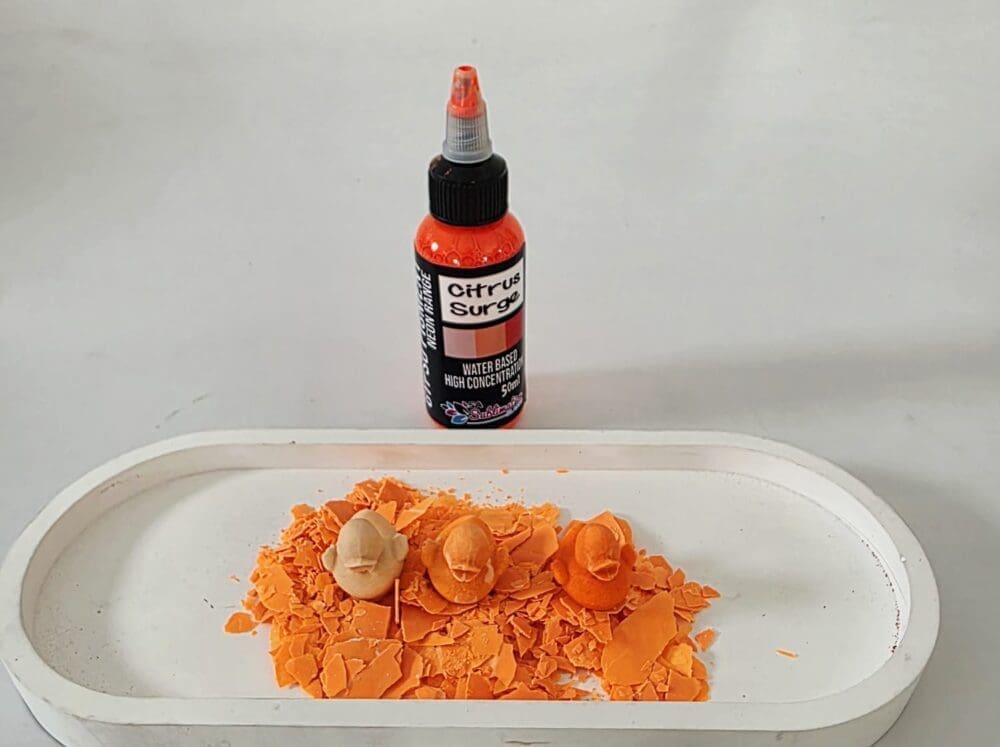
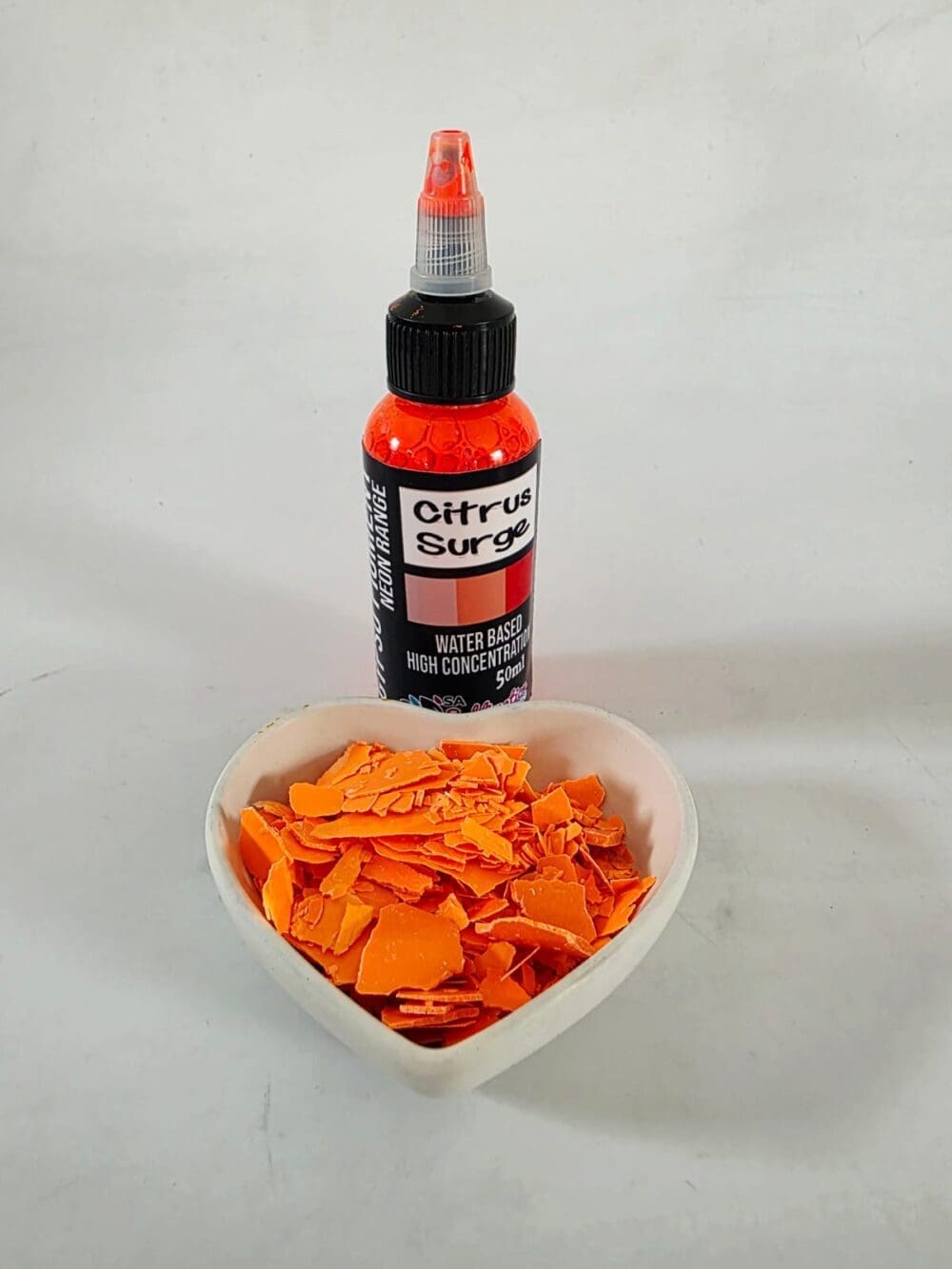
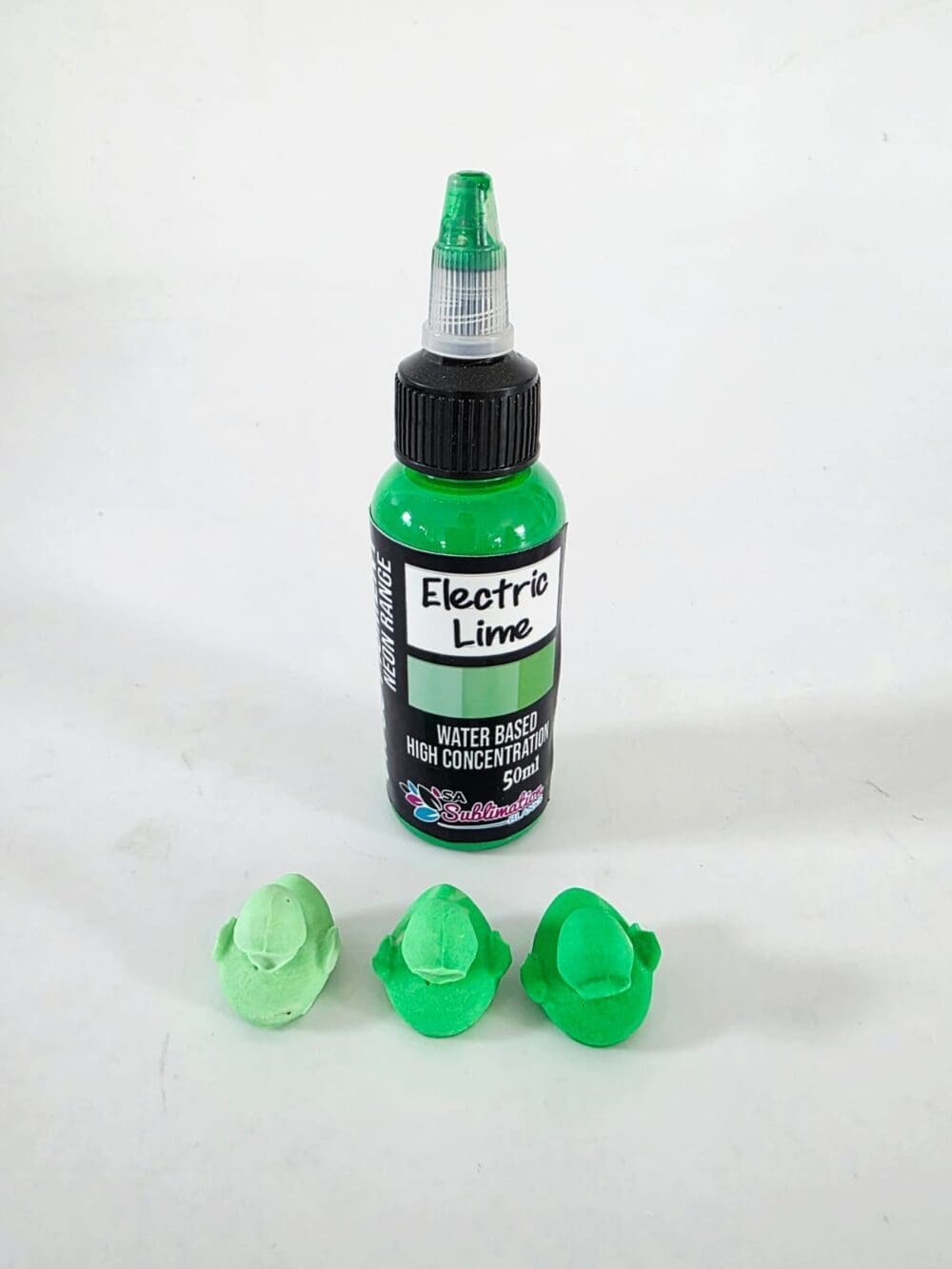
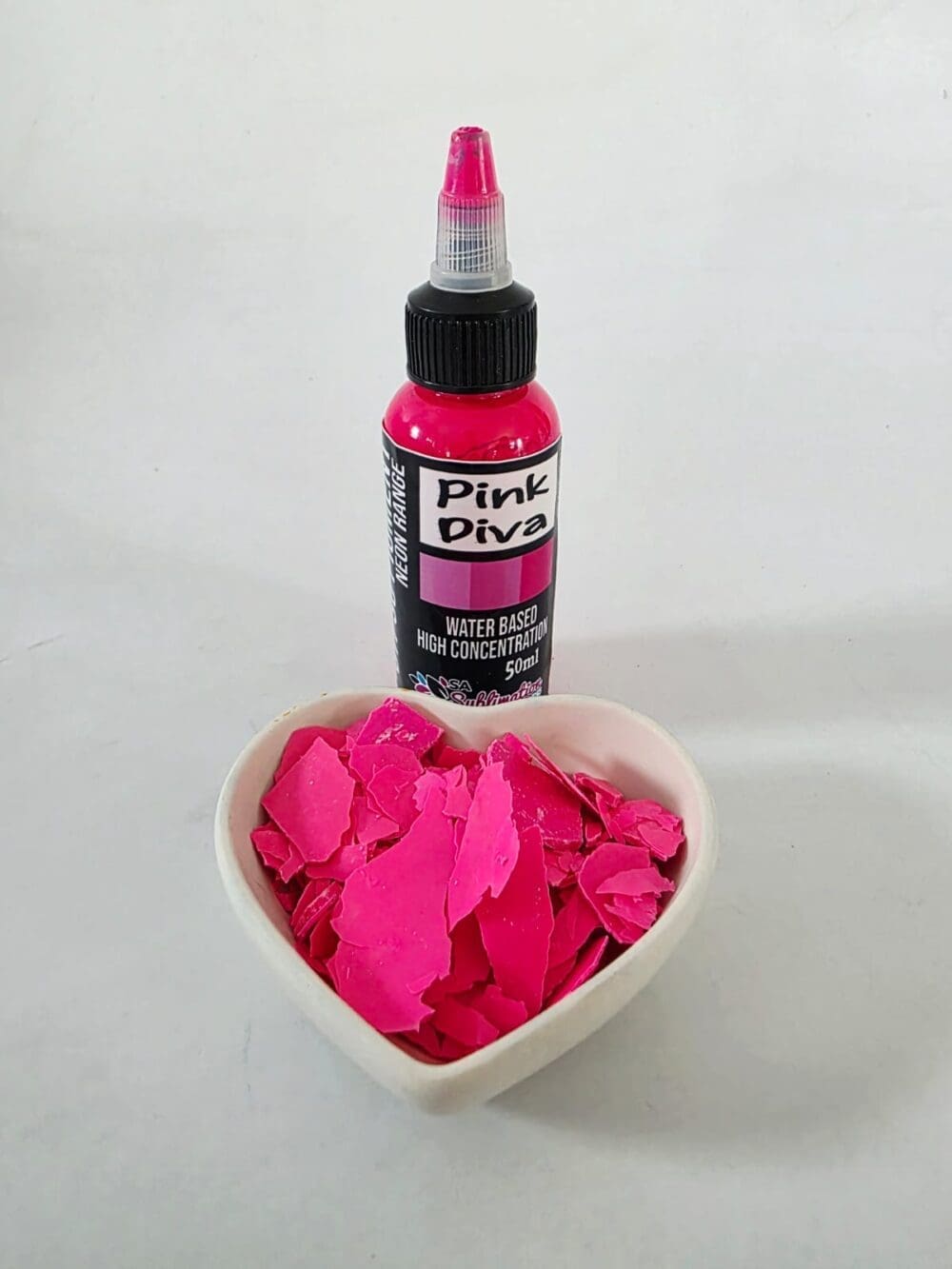
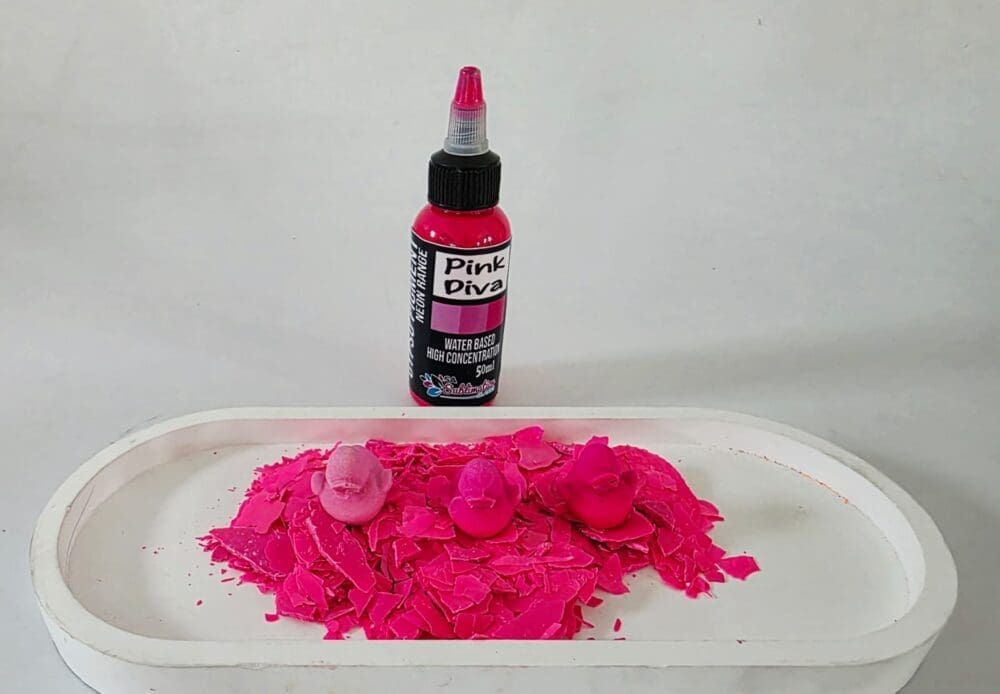
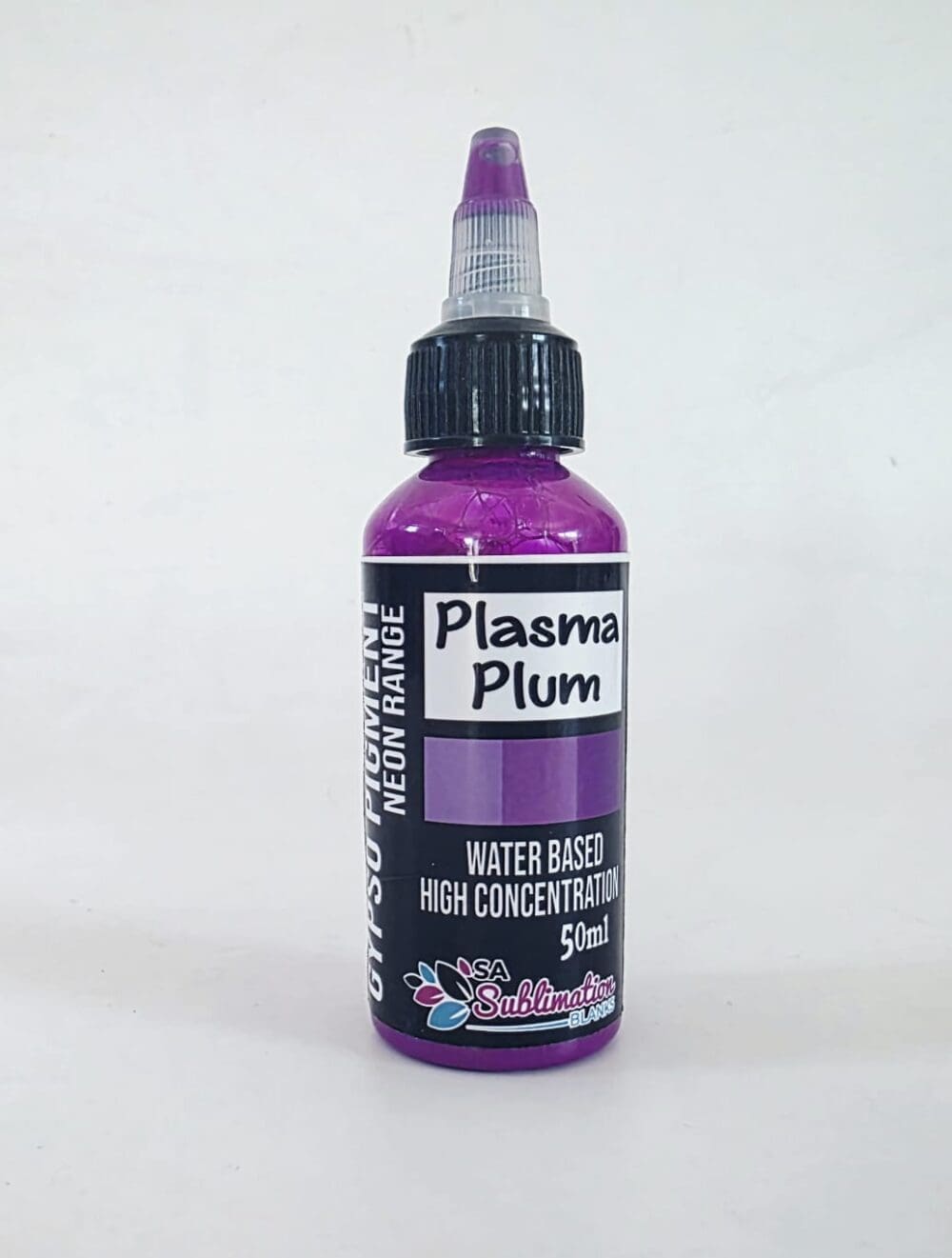
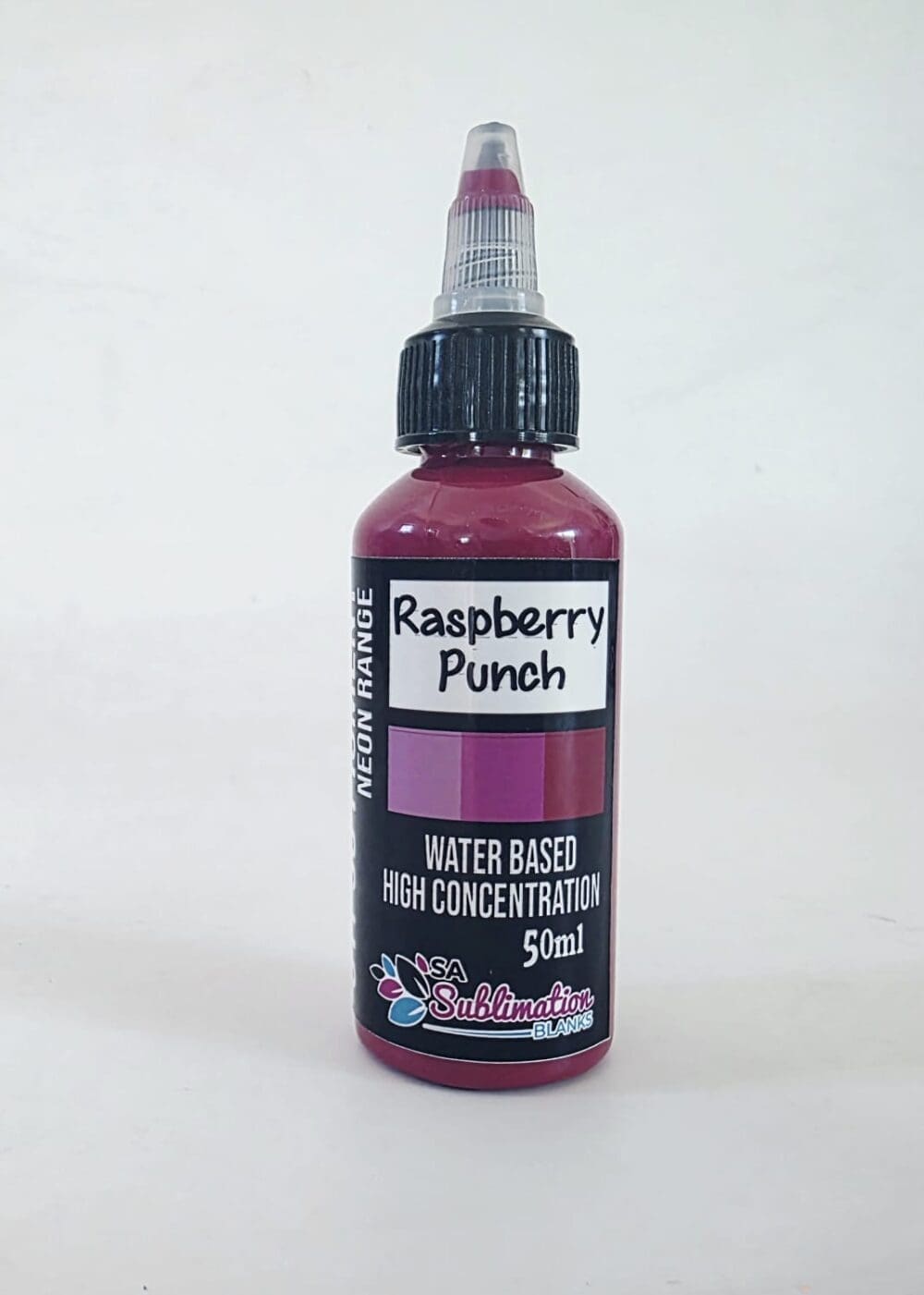
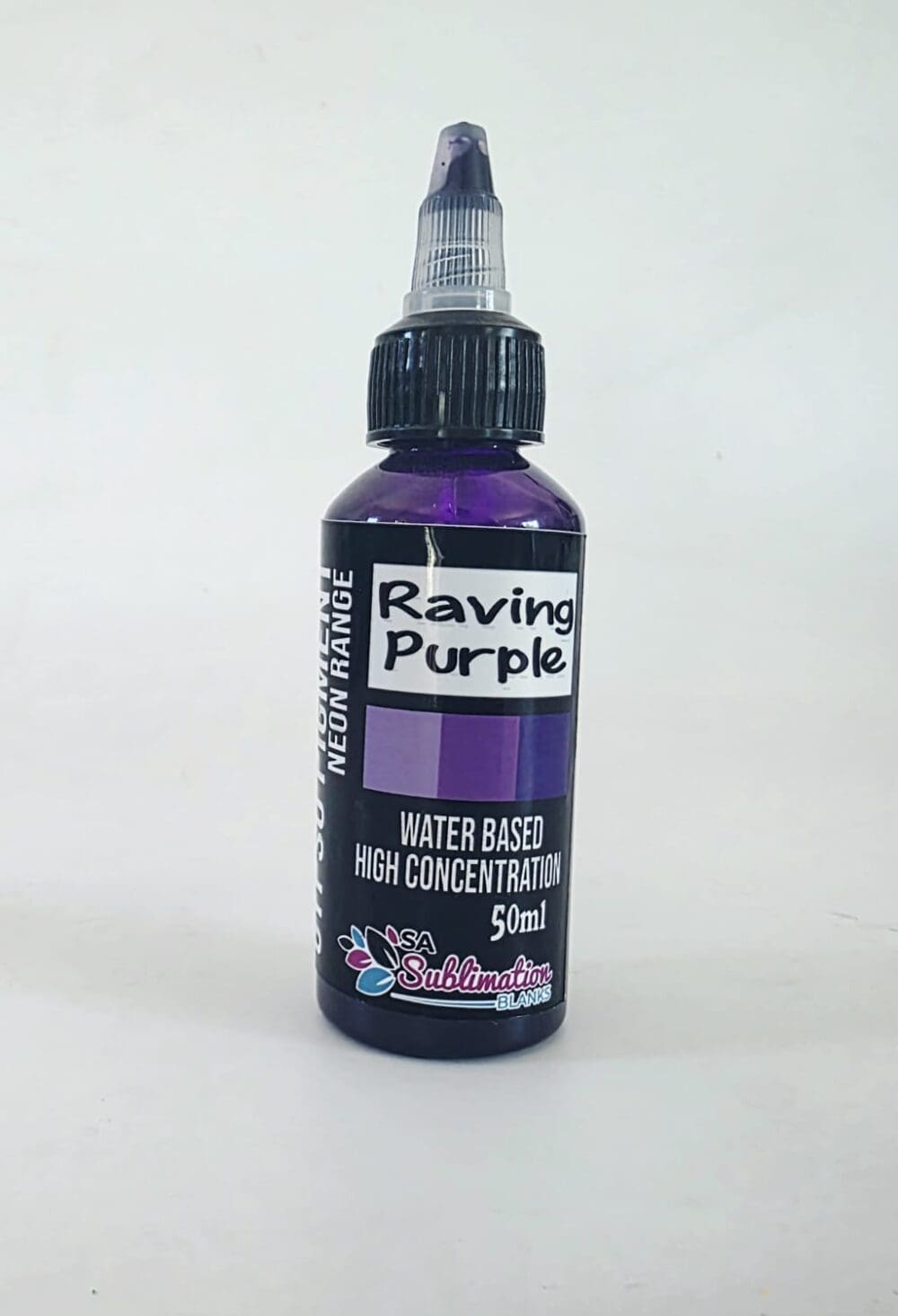


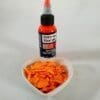
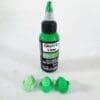
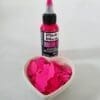
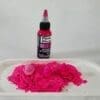
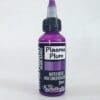
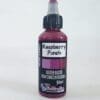
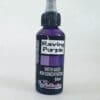
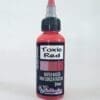


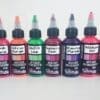
1. Determine the Amount
- Start Small: Add the pigment gradually and mix thoroughly before adding more.
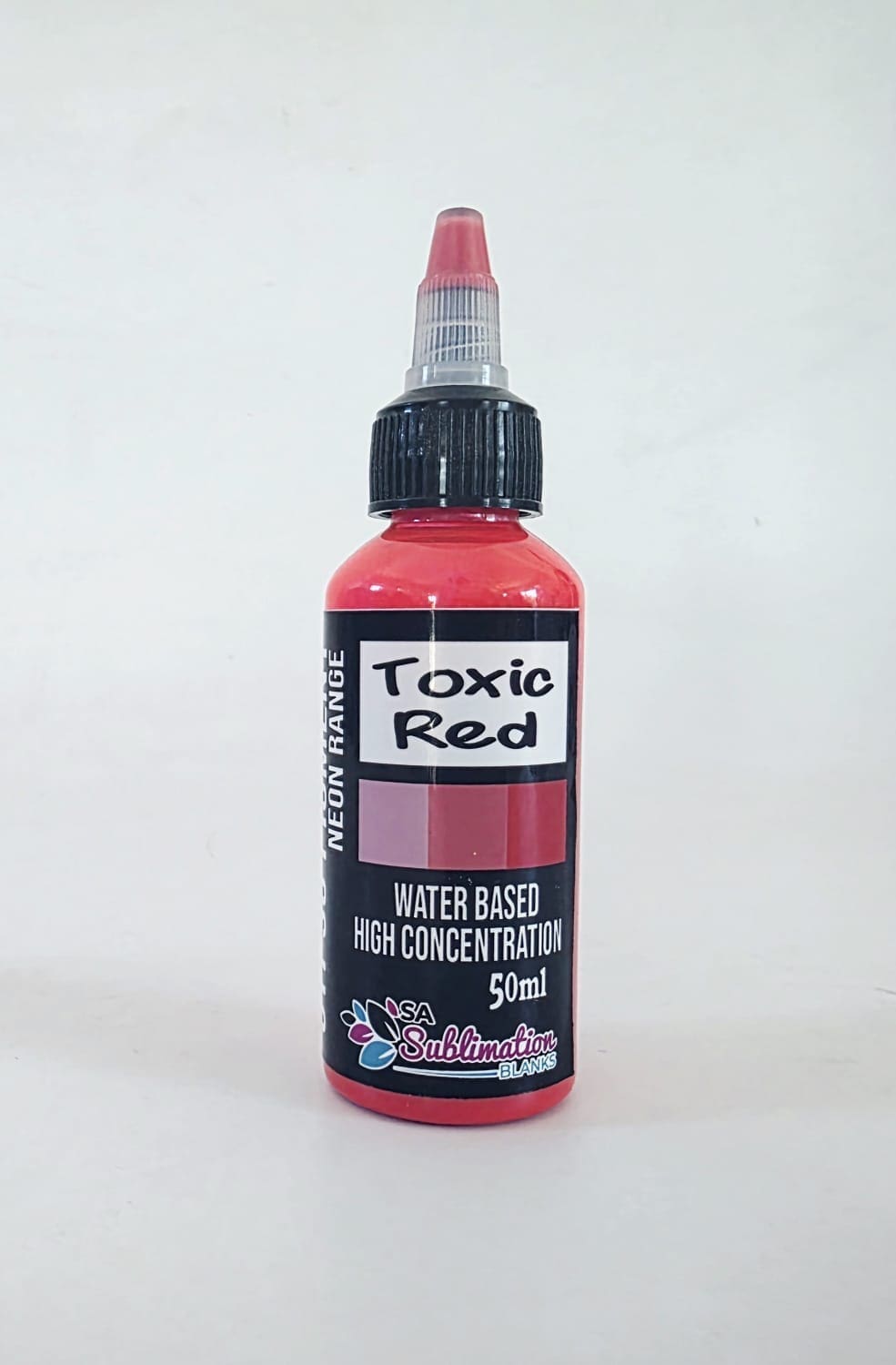
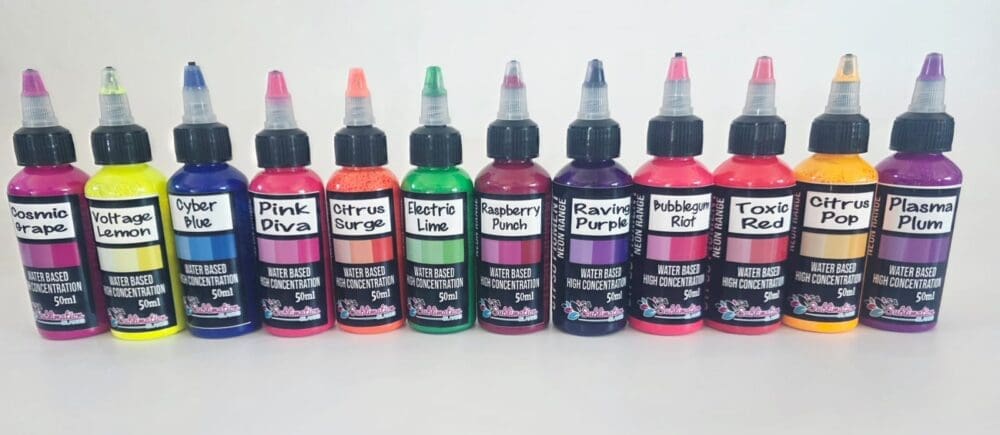
- Pigment-to-Gypsum Ratio: Most pigments are concentrated, so you’ll need to add them in small amounts, typically up to 3% of the gypsum powder weight.
2. Mixing:
- Gradual Addition: If you’re using liquid pigments, add them gradually to the gypsum powder and mix well
3. Considerations:
- Type of Gypsum:Different types of gypsum (plaster, stone, etc.) may require slightly different mixing ratios and pigment amounts.
- Desired Shade:You can adjust the amount of pigment to achieve different shades, from light to dark.
- Compatibility: Make sure the pigment is compatible with gypsum, as some pigments may not work well with certain materials.
Step-by-Step: Mixing Pigments into Gypsum Powder for Best Results
1. Weigh Your Materials
- Use a digital scale to measure both pigment and gypsum powder by weight.
- For liquid pigments, start with 3% pigment relative to the dry gypsum weight. For example, 5g pigment for 100g gypsum.
- Always test small batches first to preview colour intensity and drying behavior.
2. Pour and Cure
- Pour your tinted mix into moulds or onto surfaces.
- Let it cure fully before judging the final colour — gypsum lightens as it dries.
- View samples under different lighting to assess colour accuracy
Different gypsum powders don’t all react to pigment in the same way. Some “love” pigment and give strong, even colour with a small load, while others don’t accept pigment as easily and can produce uneven or blotchy results. This is simply due to the different chemistries and additives in each gypsum formula.
When you pour, make sure your tinted mix is fully combined before casting. Let the piece cure completely before assessing the final colour — gypsum naturally lightens as it dries. It’s also a good idea to view your cured samples in different lighting to check the colour accuracy.
Pro Tips for Consistency and Vibrancy
- Use soft water: Tap water with high lime content can interfere with pigment dispersion. Rainwater, distilled water or filtered water works best.
- Mix by weight, not volume: Pigment density varies, so volume measurements can be misleading.
- Test in different light: Pigment tones shift under natural versus artificial light.
- Avoid over-pigmenting: Too much pigment can affect drying time and structural integrity.
Understanding Colour Variation in Gypsum Formulations
Different gypsum powders are formulated differently, and some allow pigments to disperse and suspend more evenly throughout the mix. A finer texture, smoother flow, lower porosity, or a different resin/hardener interaction can all help the colour stay consistent from top to bottom.
Other gypsum powders behave differently because of their own chemistry and absorption rate. Even when you use the same pigment and the same amount, that specific formula may:
- absorb pigment less evenly
- pull moisture differently during curing
- have a slightly different particle size or porosity
- set in a way that causes pigment to gather in certain areas, making some spots appear lighter
- show more variation because of its natural base colour
So the issue is usually not the pigment alone. It’s often the way that a particular gypsum/resin system holds, distributes, and cures with the pigment.
This is why one product can look:
- smooth and solid in colour, while
- another looks patchy, cloudy, softer, or lighter — even with the exact same pigment load.
A simple way to explain it is:
Different gypsum powders react differently to colour. Some formulations take pigment very evenly and need less colour, while others are more sensitive and may cure with lighter or uneven areas. This comes down to differences in chemistry, porosity, base tone, and how the material cures.
To improve the more uneven mix, you can try:
- dispersing the pigment into the liquid first before adding the powder
- mixing a little longer to fully break up pigment pockets
- increasing the pigment slightly for that specific formula
- keeping ratios exact every time
- allowing the piece to dry completely before judging the final shade
Sometimes the colour evens out a bit once fully dry, but if the issue happens consistently, it usually means that particular formulation is simply less pigment‑friendly.
Important Note About Gypsogem Pigments & Colour Results
- Gypsogem High‑Concentration Pigments These pigments perform best when used with Hardener, but you may still notice slight residue when working with plain colours — especially in the Super White blend. Because Super White has a bright white base, any colour inconsistencies or residue are naturally more visible. Pigments blend more evenly with the Premium gypsum, which accepts colour more consistently due to its different chemistry. When used for swirls or marbling, any residue or uneven colour is far less noticeable.
- We also offer other pigment types, such as iron oxides and water‑based pigments, but these will not produce deep, rich, intense colours. Many customers prefer Super White specifically because it super white (and do not add colourant).
- Each gypsum formula reacts differently to pigments — some colourants bond beautifully with certain blends, while others don’t. This is normal and depends on the chemistry of the medium.
- You can mix acrylic paint with the Super White blend (we’ve tested it), but it will take longer to cure and still won’t produce an intense, saturated colour. The bright white base lightens any pigment added, so colours like red will always cure as a pastel or muted shade rather than a deep, true red.
- Gypsogem pigments also perform best with Hardener when used in the original Super White, as the formula does not respond as well to plain water. If you want bold, intense colours, the Premium powder is the better option — it handles pigments beautifully and gives a much richer result. Many makers use both blends and switch between them depending on the finish they want.
- With the Premium blend, you can achieve strong, saturated colours. For example, red cures as a proper, rich red. While it is possible to achieve red in Super White with Hardener, it requires a much higher pigment load — and too much pigment can weaken the final piece once demoulded and fully cured. This is why Premium is recommended for vibrant colours.
Staining is usually caused by the type of pigment used (water-based, oil-based, or highly concentrated dyes) and whether the pigment migrates into the porous surface of the silicone. Gypsum grade (fine cast, alpha, beta, etc.) affects smoothness, strength, and setting time, but not pigment transfer.
Why Staining Happens
- Pigment Composition
- Water-based pigments are less likely to stain silicone because they wash out easily.
- Oil-based or alcohol-based pigments can seep into silicone pores and leave residue.
- Silicone Quality
- High-quality platinum-cure silicone moulds are more resistant to staining.
- Lower-grade or older moulds may absorb pigment more readily.
- Mixing Ratio
- Overloading gypsum with pigment increases the chance of pigment bleeding into the mould.
- Balanced ratios (powder-to-water and pigment-to-mix) reduce staining.
Practical Tips for Preventing Stains
- Seal the mould: Apply a thin release agent (e.g., petroleum jelly spray or commercial mould release) to create a barrier.
- Test pigments: Always test a small batch before committing to a full pour.
- Clean promptly: Wash silicone moulds immediately after demoulding to prevent pigment setting.
- Use high-quality pigments: Craft pigments designed for gypsum/resin are less likely to stain compared to generic inks or fabric dyes.
Bottom line: The pigment type and concentration are the main culprits for staining, not the grade of gypsum powder. If you’re using water-based craft pigments with fine cast gypsum in a platinum-cure silicone mould, staining risk is minimal.
Weight & Scale Accuracy Disclaimer
All products are packed using calibrated commercial digital scales.
Packaging containers are tared (zeroed) before filling to ensure the correct net product weight is dispensed.
Please note that customer reweighing may produce different results due to:
- domestic or non-calibrated scales,
- uneven weighing surfaces,
- scale tolerance variances,
- or incorrect weighing methods.
All advertised product weights refer to the net product weight excluding packaging.
Commercial manufacturing tolerances may apply.