

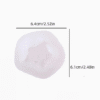
Silicone Mould : Phalaenopsis Orchid Flower Silicone Mould (PhlOrc)

R129.99 (incl. VAT)

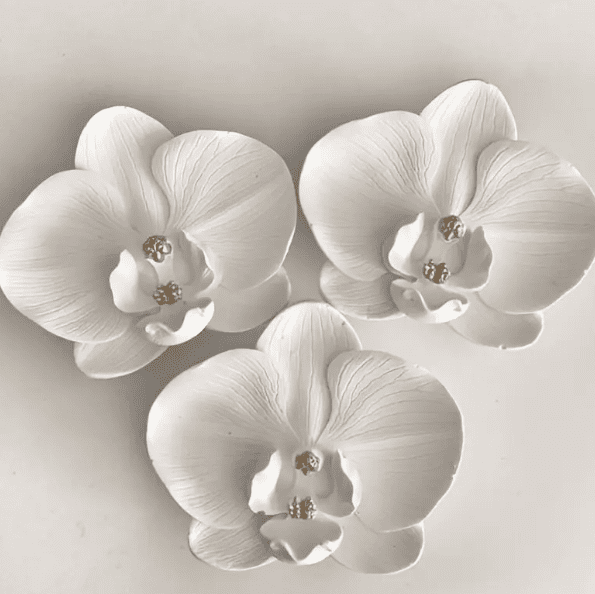
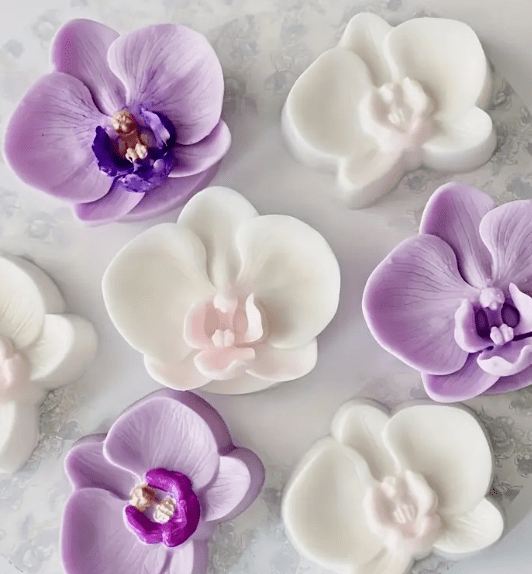
Phalaenopsis Orchid Flower Silicone Mould. Add a touch of botanical elegance to your casted creations with this finely sculpted Phalaenopsis orchid mould. Designed for makers who appreciate detail and versatility, this silicone mould captures the graceful curves and layered petals of the orchid, making it ideal for decorative casting.

Made from soft gel silicone, it offers excellent flexibility and easy release, making it ideal for repeated use with our Gypsogem Eco Resin, resin decor, and sand wax or using our candle Soy Wax Pure SB48 to pour within.

These moulds are ideal for use with, with our  or as a candle vessel. for unique candle holders or

Product Features:

  • Realistic orchid design with crisp petal definition
  • Flexible, durable silicone for easy release and reuse
  • Suitable for Gypsogem, resin, wax, clay, and more
  • Great for pigment trials, content styling, and botanical accents

Creative Tip:
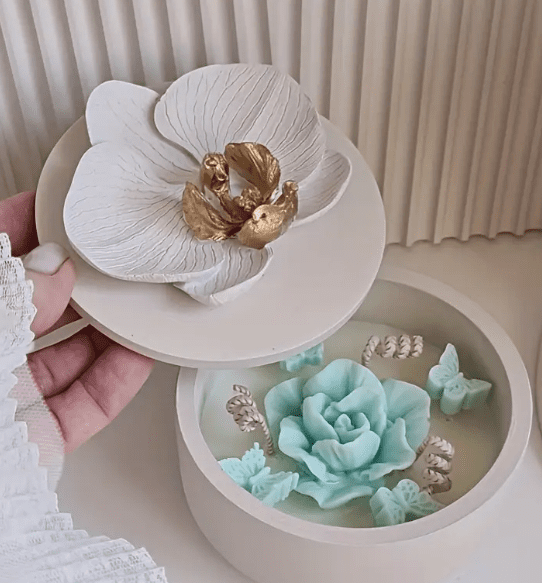
Cast the orchid in Gypsogem and adhere it to your gypsum jar lids or trinket boxes for a layered, floral finish. It’s a simple way to elevate your packaging or product styling with a handcrafted, nature-inspired flair

Use the mould as a gypsum scent dish by add fragrance oils to gently perfume any room with botanical charm.

Note:-

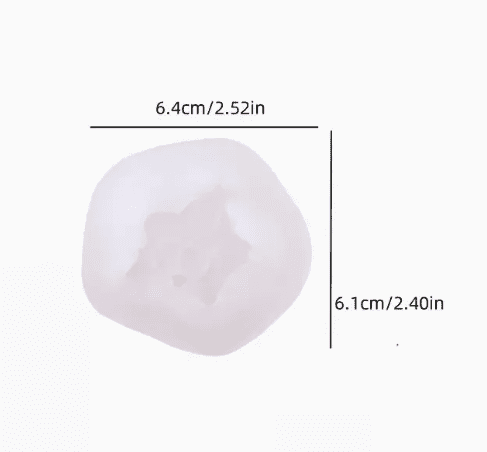
  • Dimensions for each mould are shown in the gallery to give a clear sense of scale and sizing.
  • This listing is for the silicone moulds only. Finished products shown in images are for illustration purposes and not included.
  • When using resin or epoxy, the moulds may produce a matte finish. They have not been fully tested with these materials, but are well-suited for gypsum powder.
  • Some moulds may be compatible with pillar wax, though this has not yet been tested for ease of release or the durability of finer details.
  • Delicate design elements in the mould may be fragile when cast in gypsum and could risk breakage during demoulding. For finer details, resin or hybrid blends may offer better strength and durability than gypsum alone.
  • As we don’t have capacity to test every mould across all materials, we recommend that customers test with their chosen medium before committing to bulk production.
  • While epoxy resin can be used in most silicone moulds to create decorative pieces or to encase embedded items, it is not suitable for making functional wax vessels. Epoxy is not heat-resistant enough for candle burning and should never be used as a container for wax-based products.

1 in stock

Note that, packaging and transportation can indeed cause some moulds to deform. Soaking the mould in hot water and then using rice to help reshape it is a practical solution.

Here are a few additional tips for mould remediation:-

1. Freezing Method: If the mould is made of silicone, you can try placing it in the freezer for a few hours. This can sometimes help the mould return to its original shape.
2. Supportive Fillers: Besides rice, you can use other fillers like sand or small beads to help reshape the mould. Make sure the filler is dry and can conform to the mould’s shape.
3. Gradual Heating: For more delicate moulds, gradually heating them with a hairdryer can help. Be careful not to overheat, as this can cause further deformation.
4. Storage Tips: To prevent future deformation, store your moulds flat and avoid stacking heavy items on top of them. If possible, keep them in a cool, dry place.
5. Use of Weights: After soaking in hot water, place the mould on a flat surface and use weights to hold it down in its correct shape until it cools and hardens.