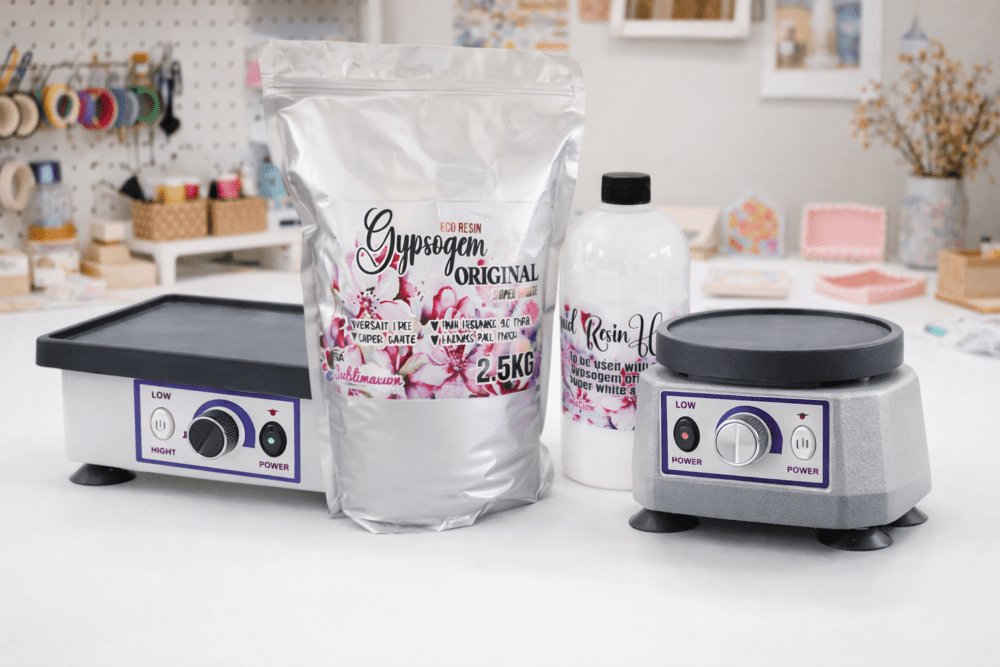
Vibration Time by Gypsum Consistency
For gypsum, there isn’t a single exact time that guarantees zero bubbles, but in practice you can reliably eliminate visible air bubbles by following these time guidelines:
Typical Vibration Time
- 15–30 seconds → Most gypsum pours
- Up to 45 seconds → Thicker mixes or deeper molds
- Rarely more than 60 seconds → Longer vibration can cause separation
In well‑controlled conditions, 20–30 seconds is usually enough.
Why time varies
Bubble removal depends on:
- Gypsum consistency – Thicker mixes trap more air and need slightly longer vibration
- Vibration strength – Stronger vibration = shorter time
- Pour depth & mold shape – Deep or narrow areas trap air
- Pouring technique – Slow, steady pouring reduces trapped air before vibration even starts
Best practice for no bubbles
- Start vibrating before pouring
- Pour gypsum slowly in one spot, letting it flow
- Keep vibrating until:
- Surface bubbles stop appearing
- The surface looks glossy and smooth
- Stop immediately once bubbles are gone
Important warning
❌ Over‑vibrating (too strong or too long) can:
- Cause gypsum segregation (water rises, powder sinks)
- Reduce model strength
- Create surface defects instead of removing them
Practical rule of thumb – Vibrate just long enough for bubbles to rise and disappear — then stop.
Common Mistakes That Cause Bubbles
❌ Vibrating too hard
❌ Vibrating too long
❌ Pouring too fast
❌ Pouring all over instead of one spot
❌ Very thick, dry mixes
Tips to Reduce Bubbles Before Vibration
- Add powder to water, not water to powder
- Mix slowly at first (manual or low speed)
- Let the mix rest 10–20 seconds before pouring
- Use clean containers — old residue traps air
- Keep gypsum fresh (old gypsum foams more)